Art and Climate Change
Fall 2024, Swarthmore College
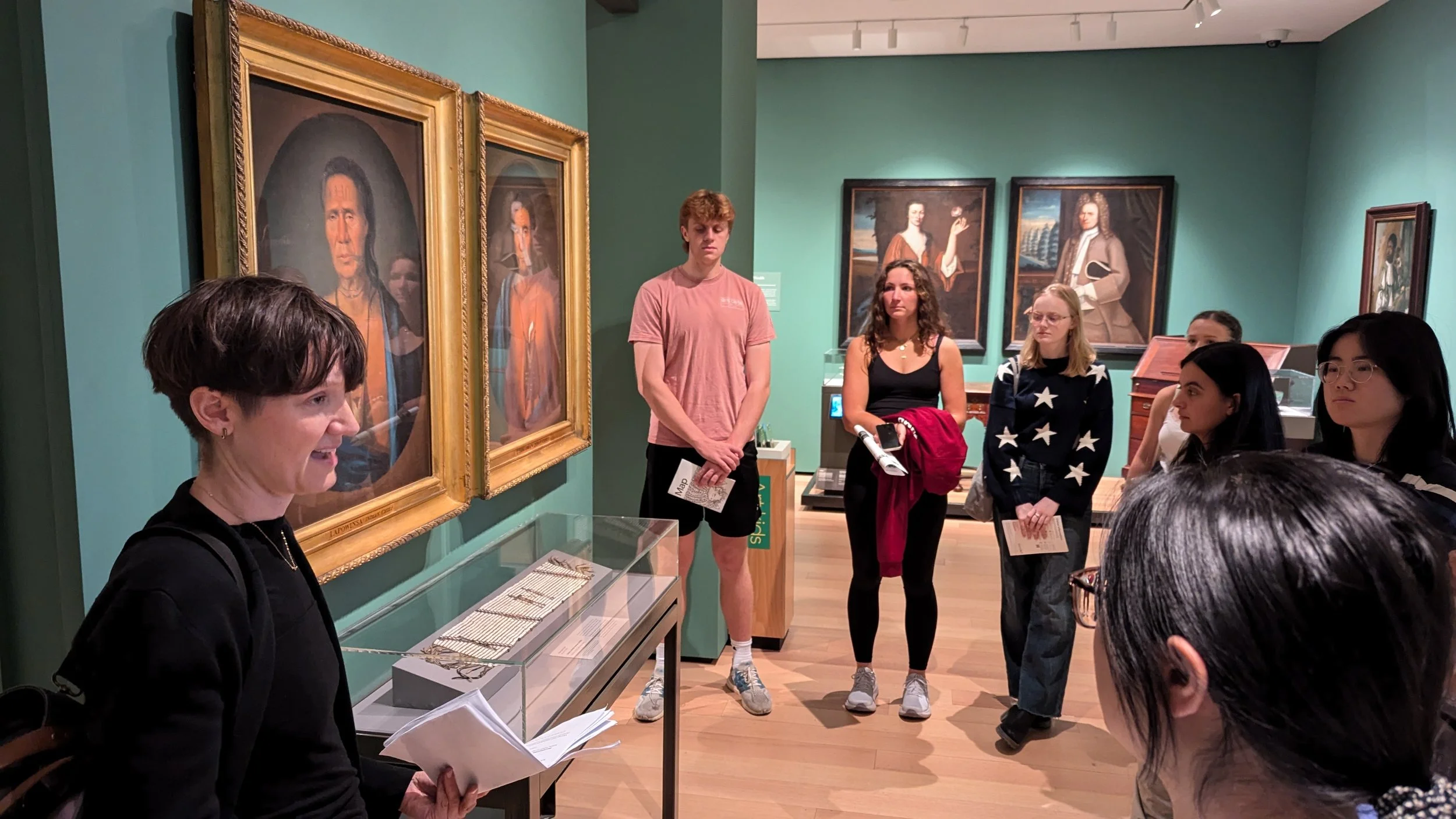
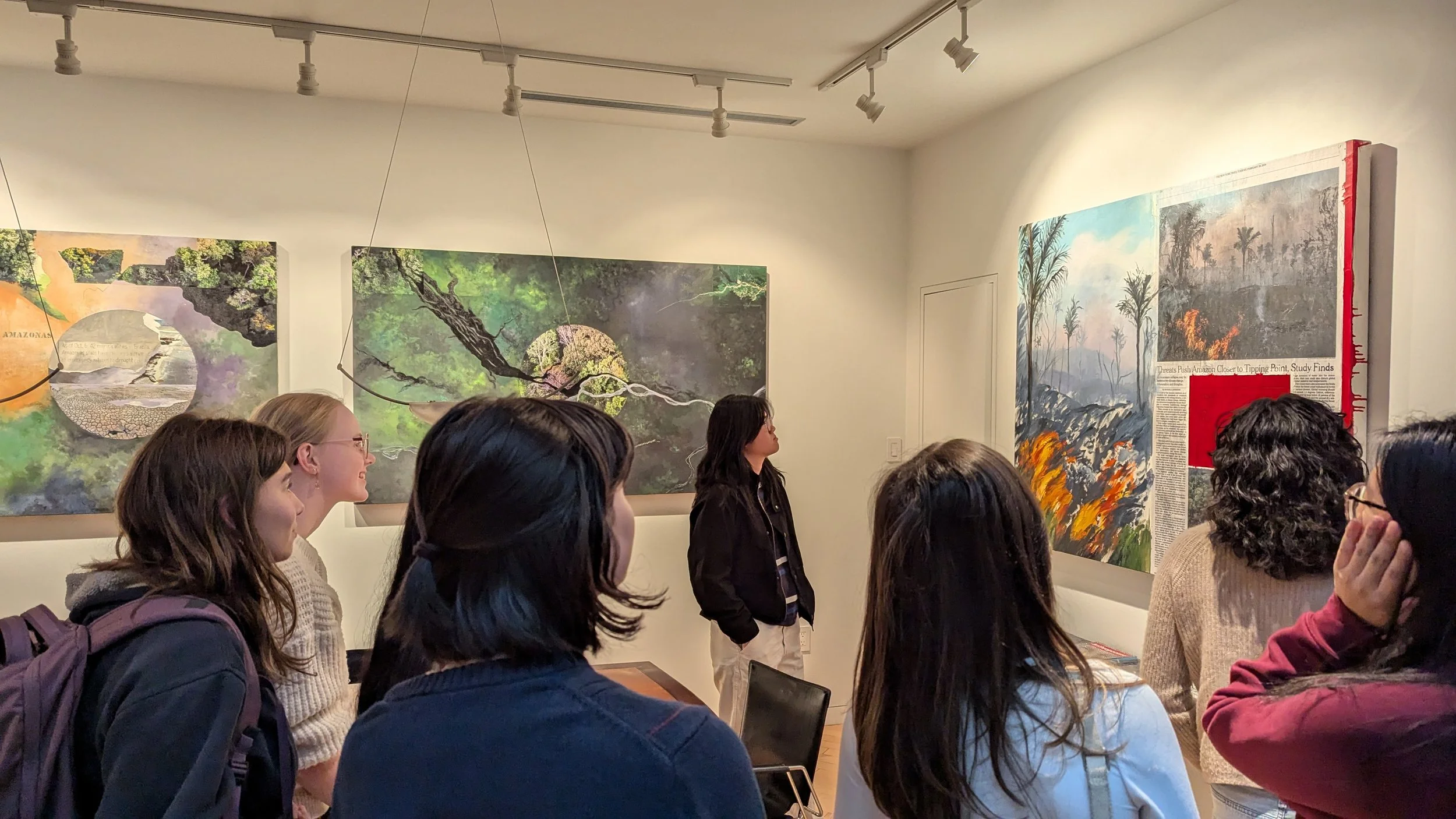
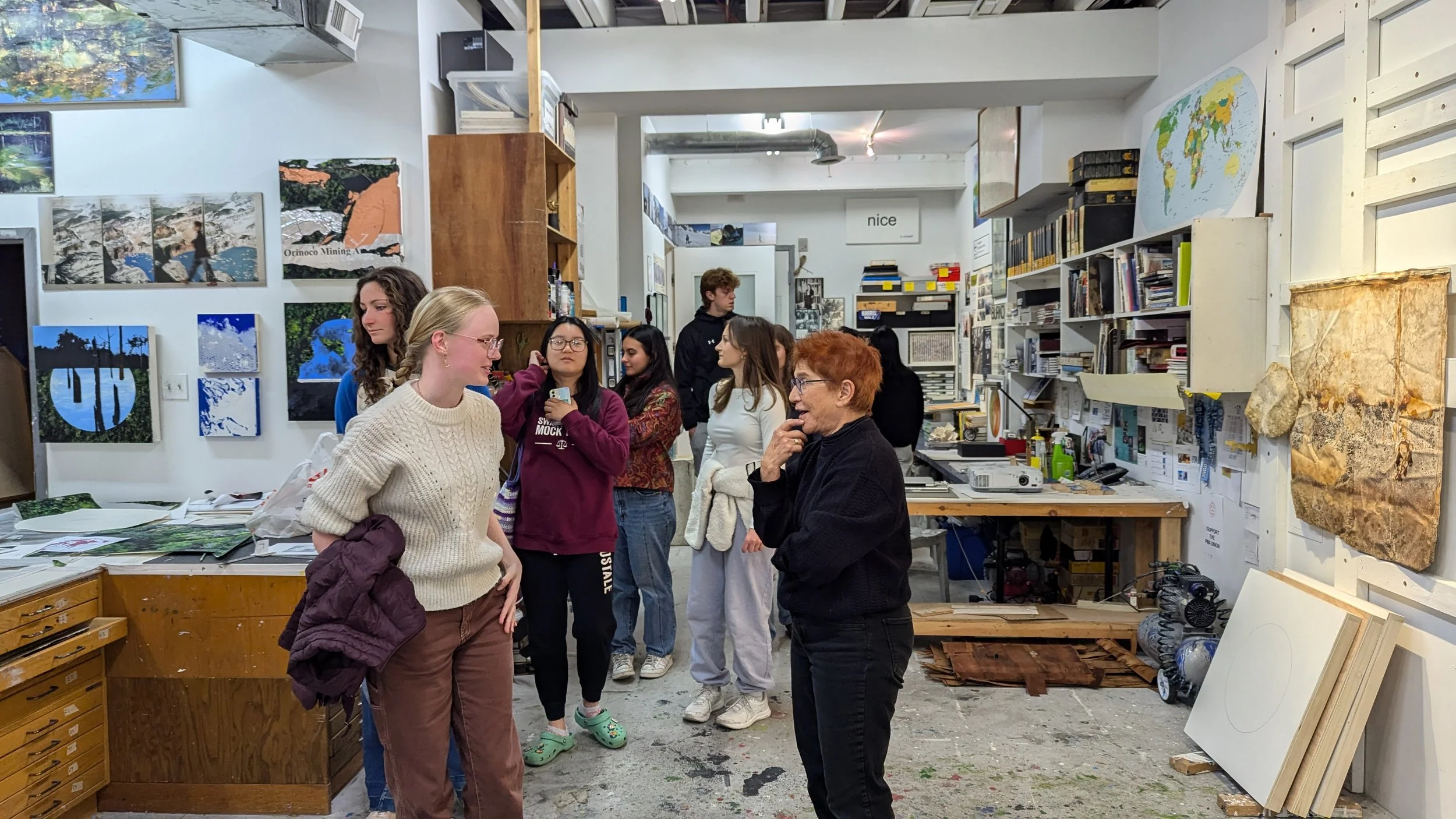
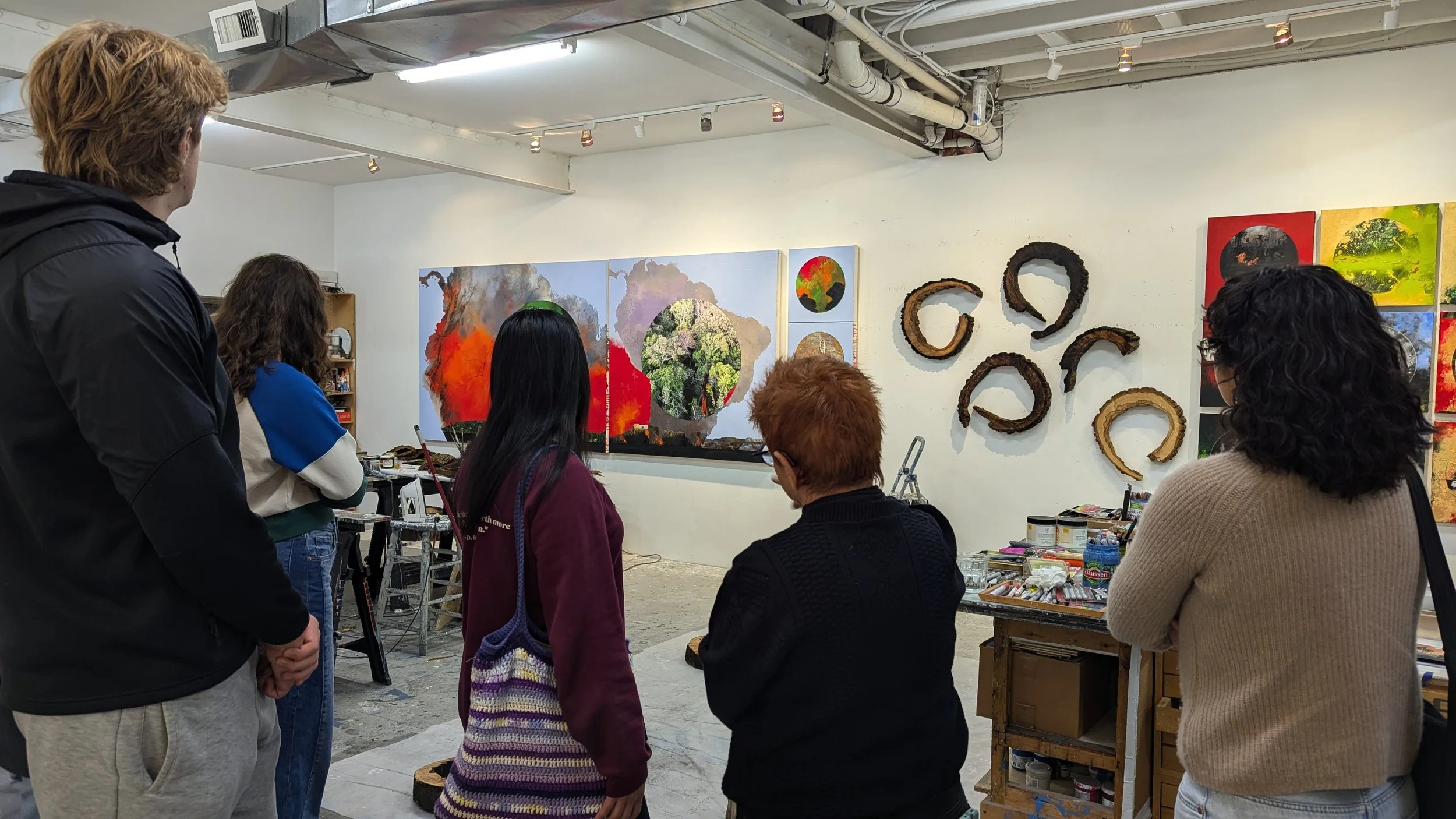
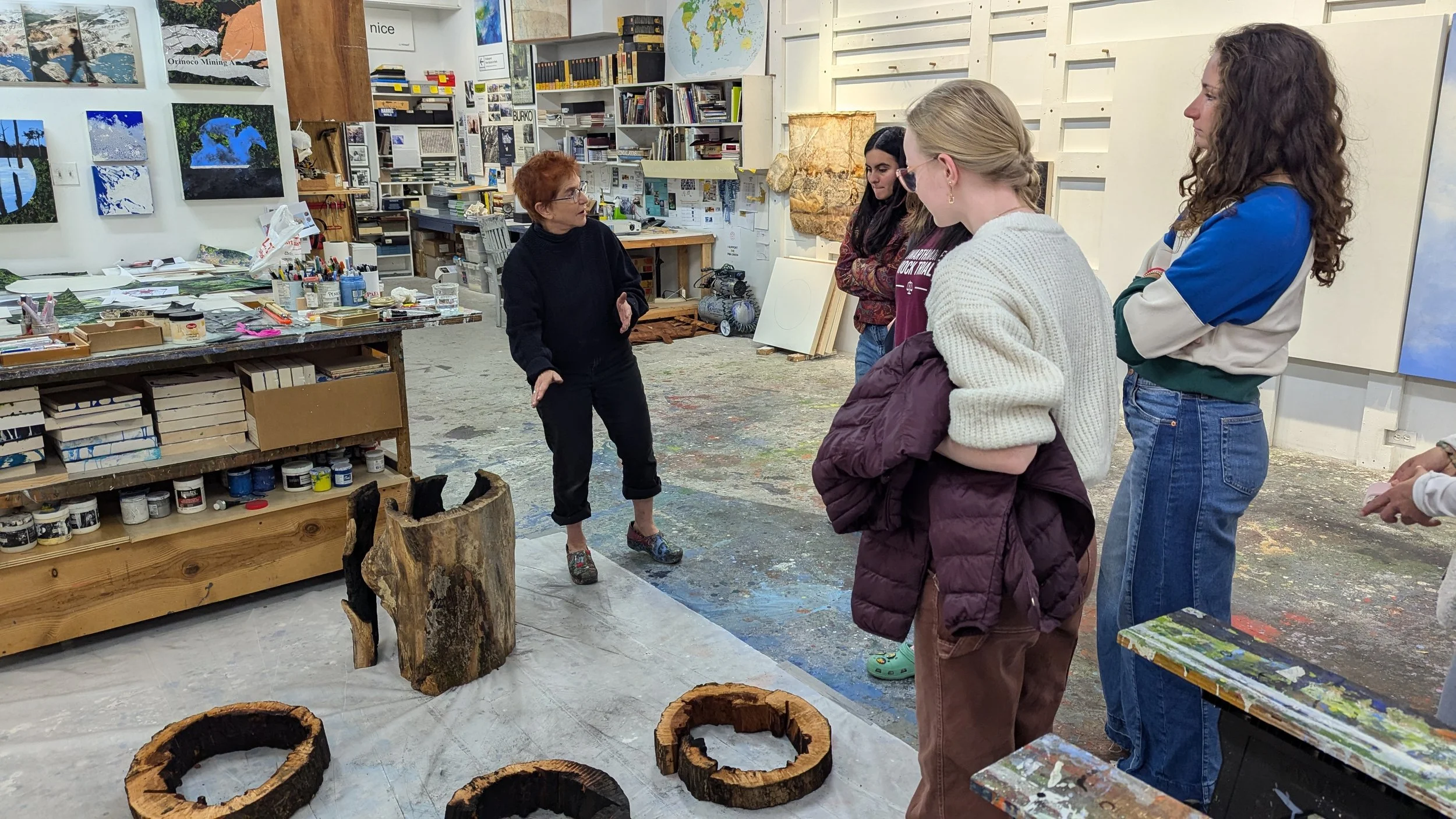
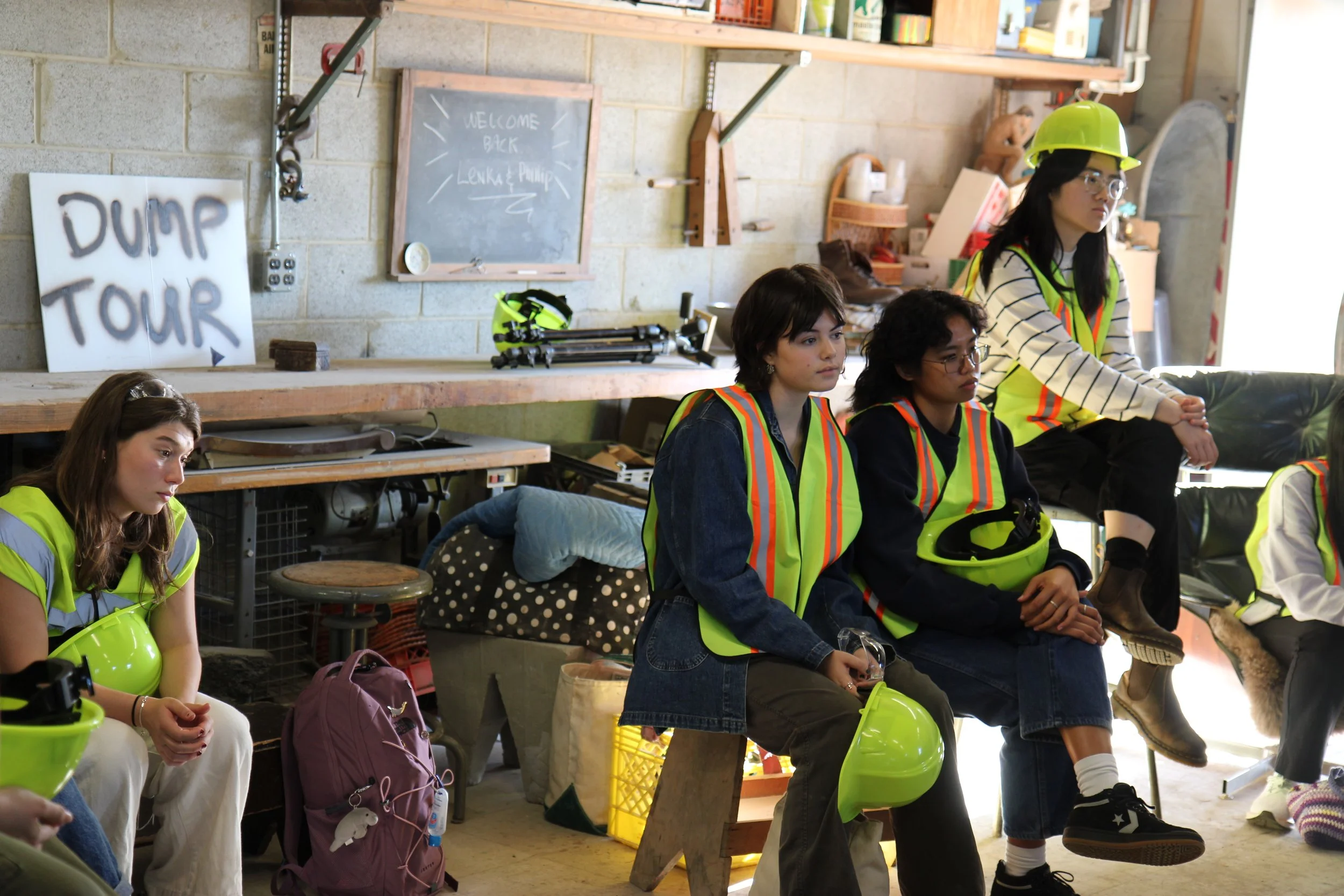
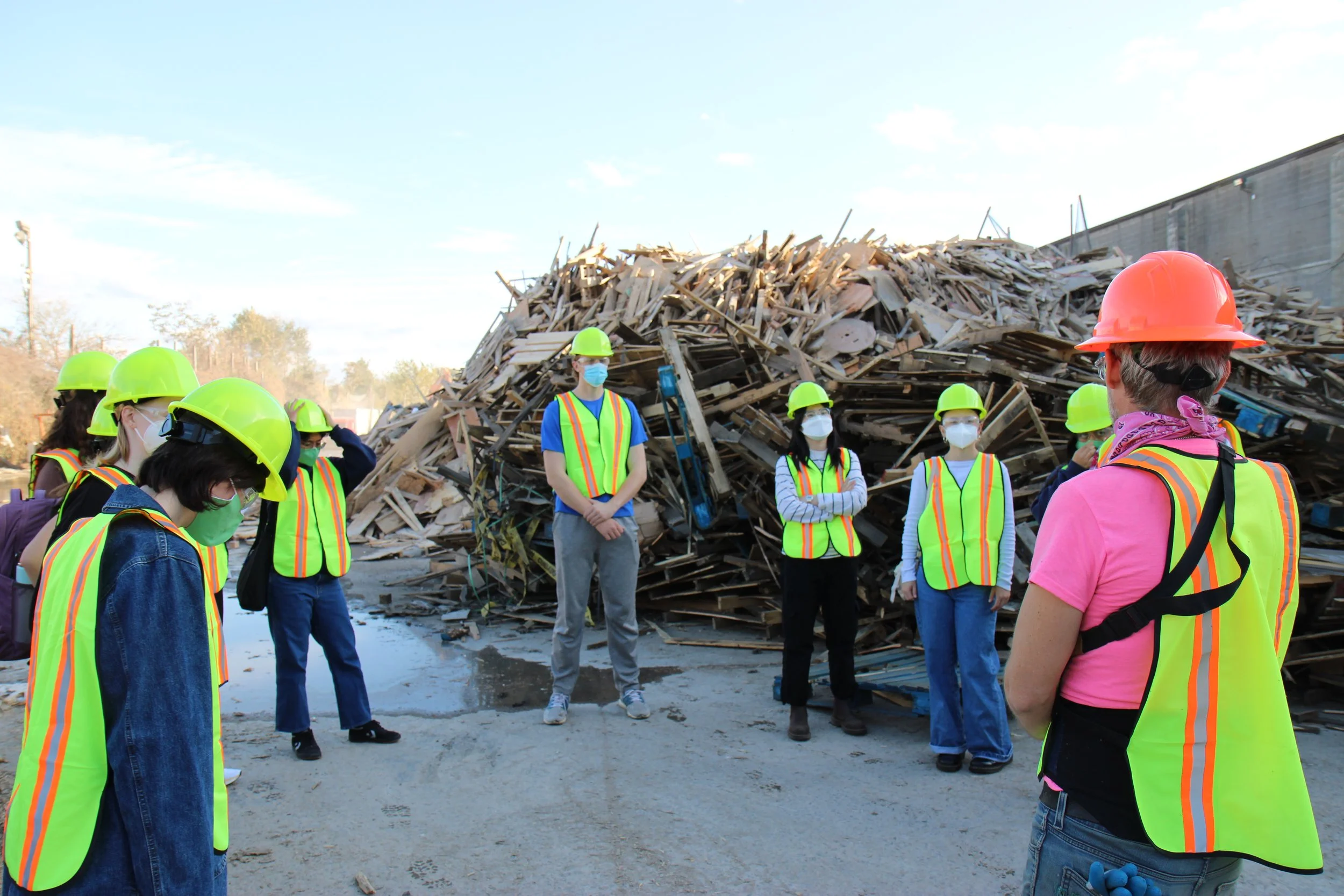
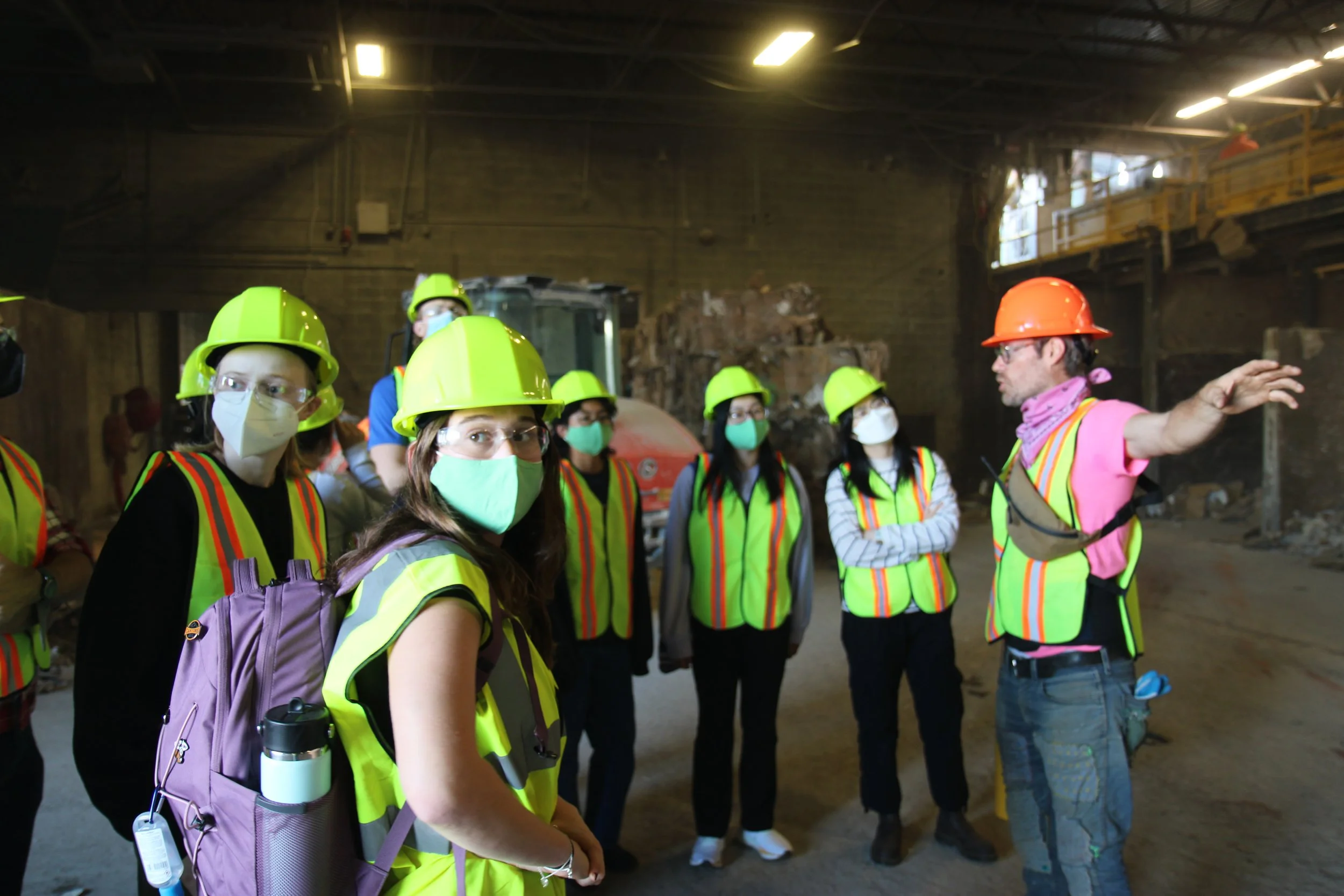
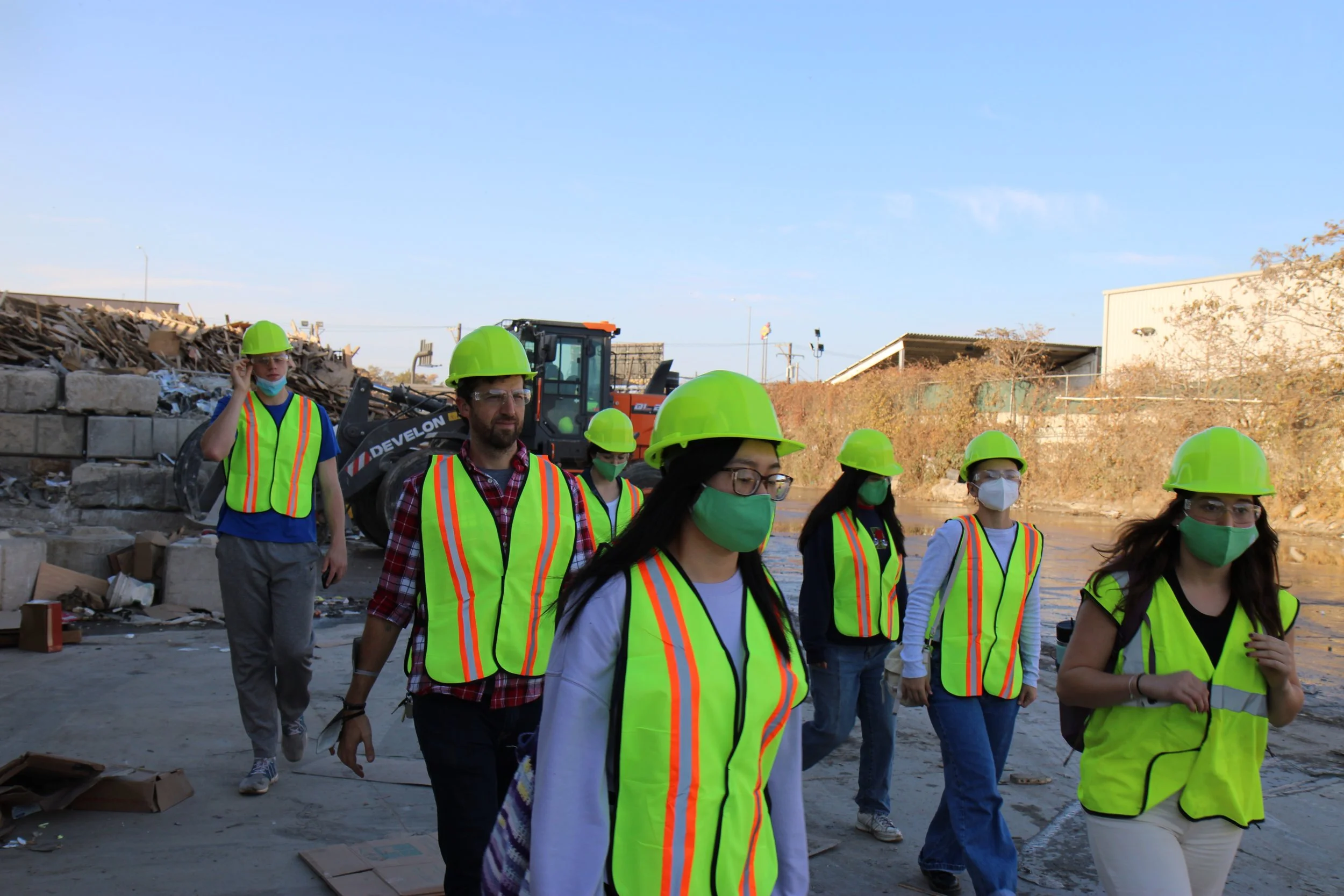
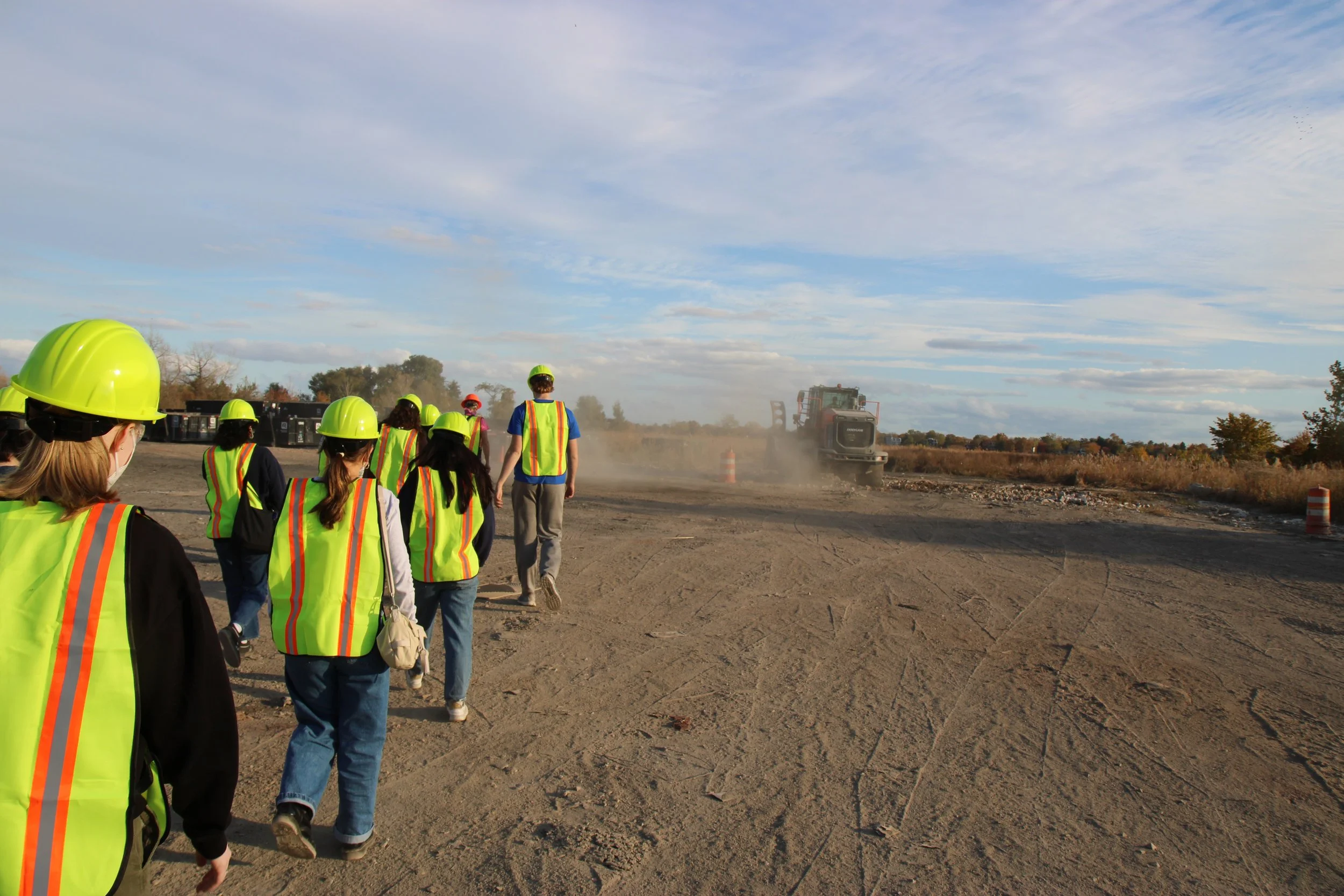
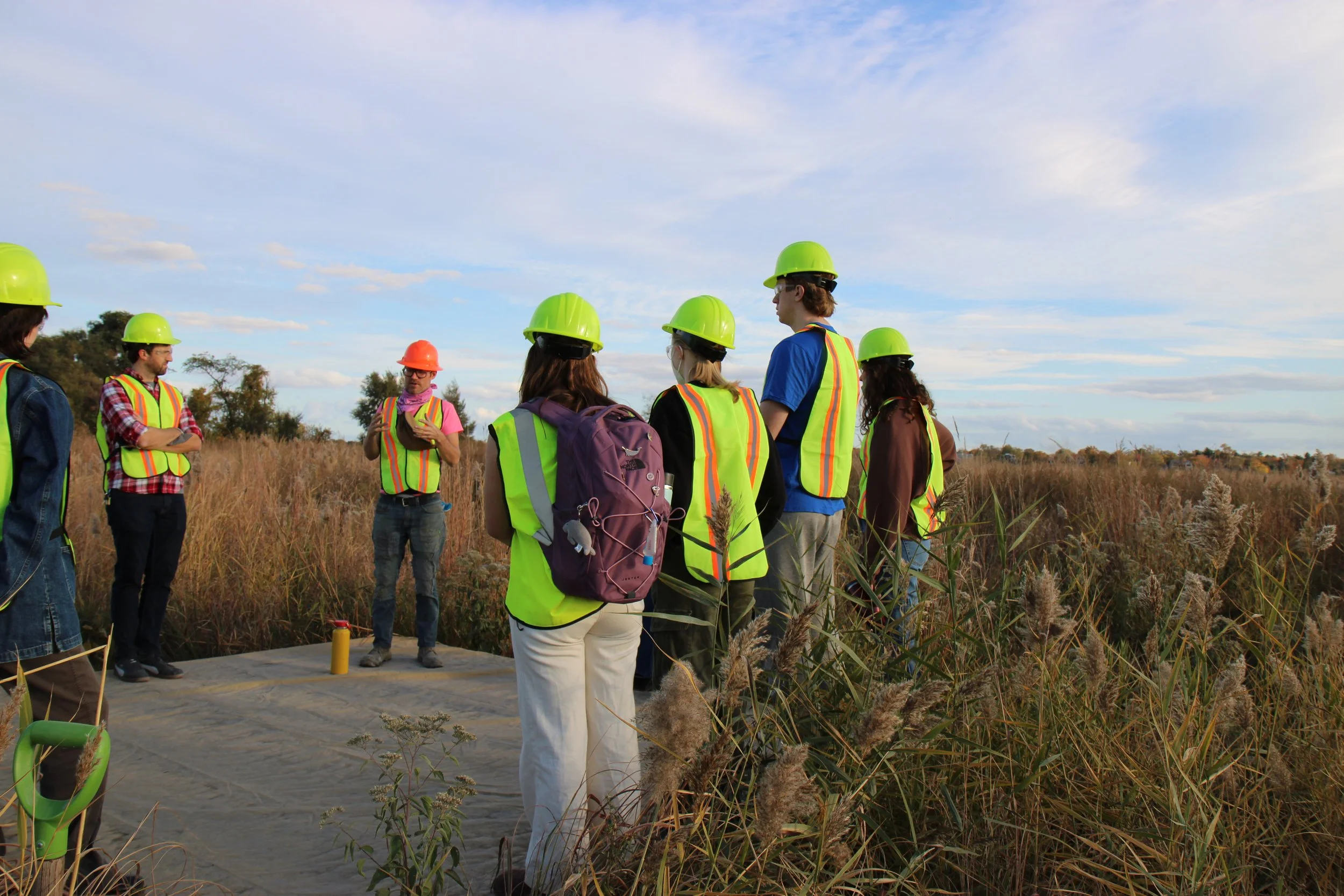
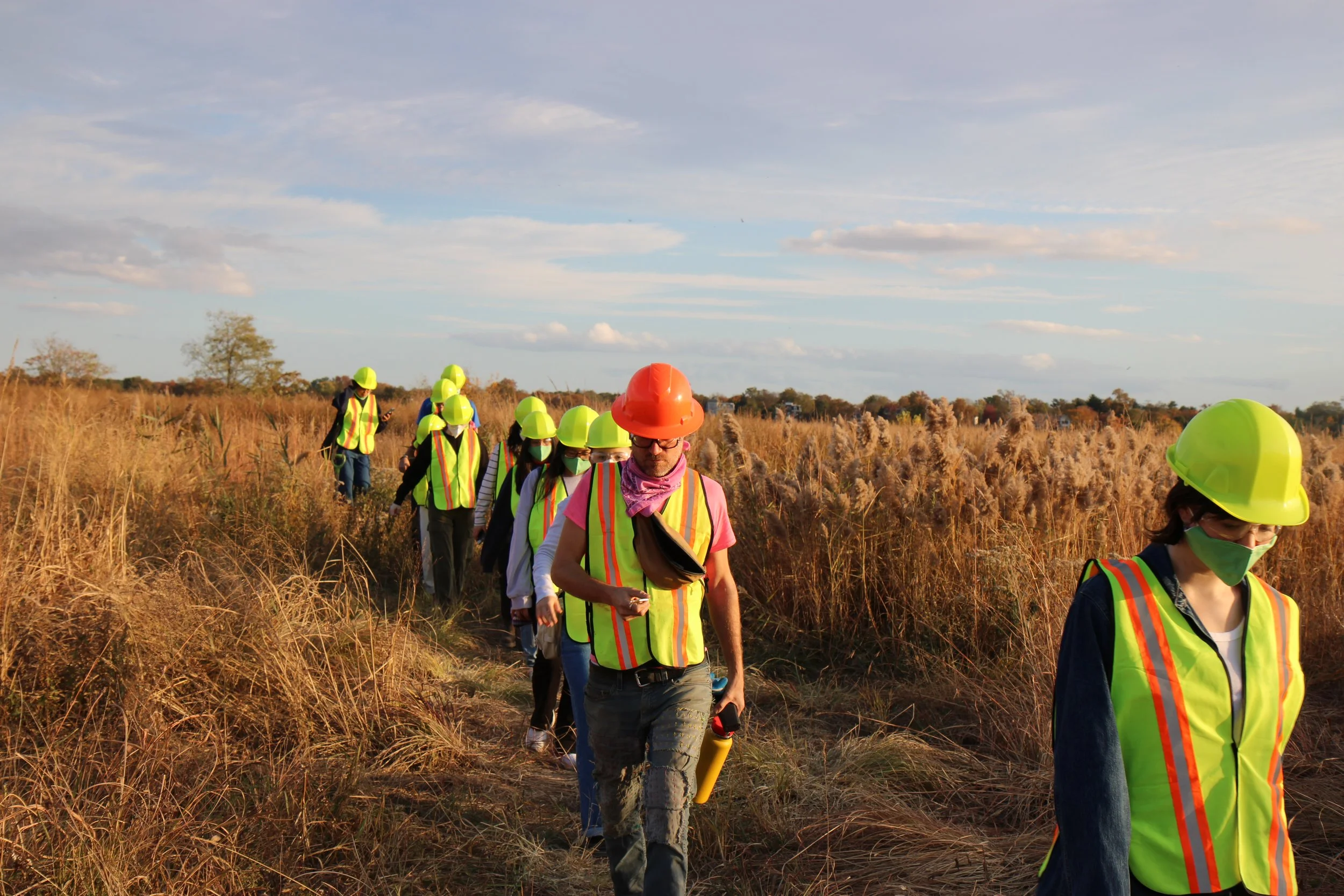
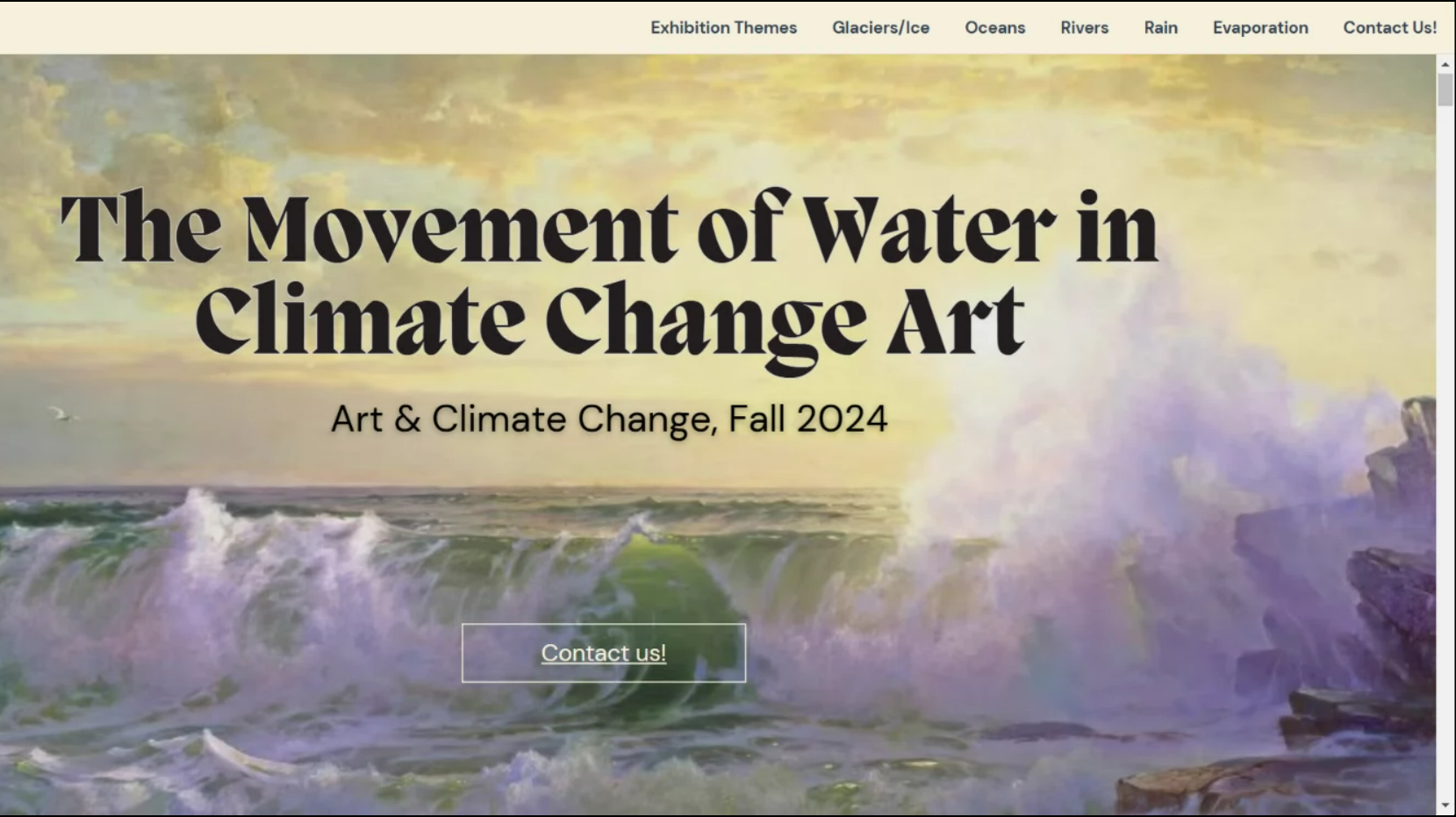
This course surveys art’s relationship to climate change from the 18th century to today. It introduces significant artists and movements who address and/or reflect climate change, in addition to many important topics initiated by writers and thinkers in scientific, philosophical, and political fields. This course underscores art’s role as a contributor to climate change as well as its traditional role to communicate or represent climate change. This course aimed to focus on the environmental history of the greater Philadelphia region through historical case studies and several off-campus visits to local museums, organizations, and artist studios in order to make the course topics tangible to our material and local context. We visited Philadelphia’s RAIR (Recycled Artist in Residency), Diane Burko’s studio, and the Philadelphia Museum of Art where Aislinn E. Pentecost-Farren led us on her ecocritical tour of the museum, “Crisis in the Collection: The Art History of Climate Change.” We also had the chance to meet with Swat Alumna Meredith Leich and hear about her journey from student to eco-artist.
Latin American Art and Architecture
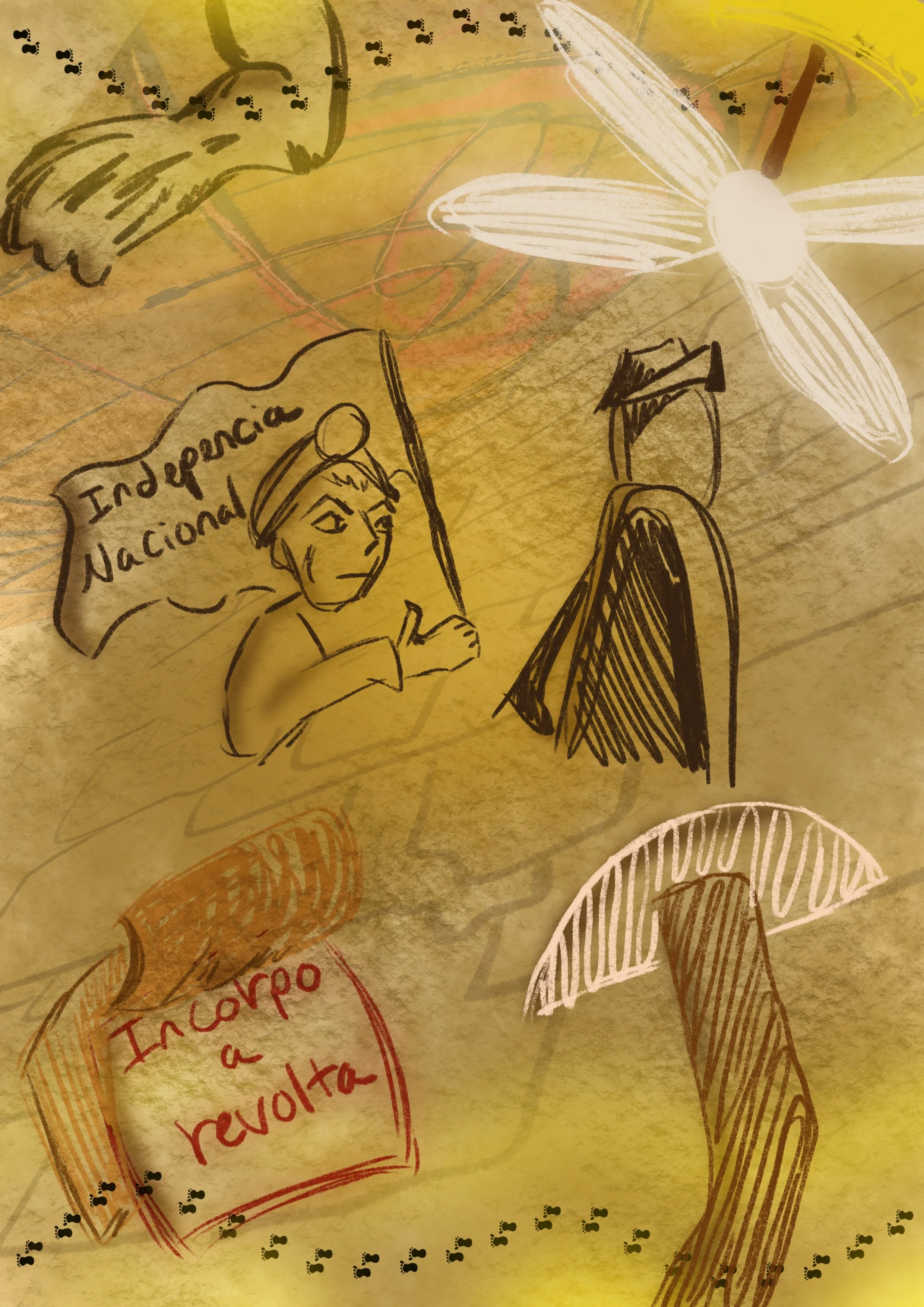
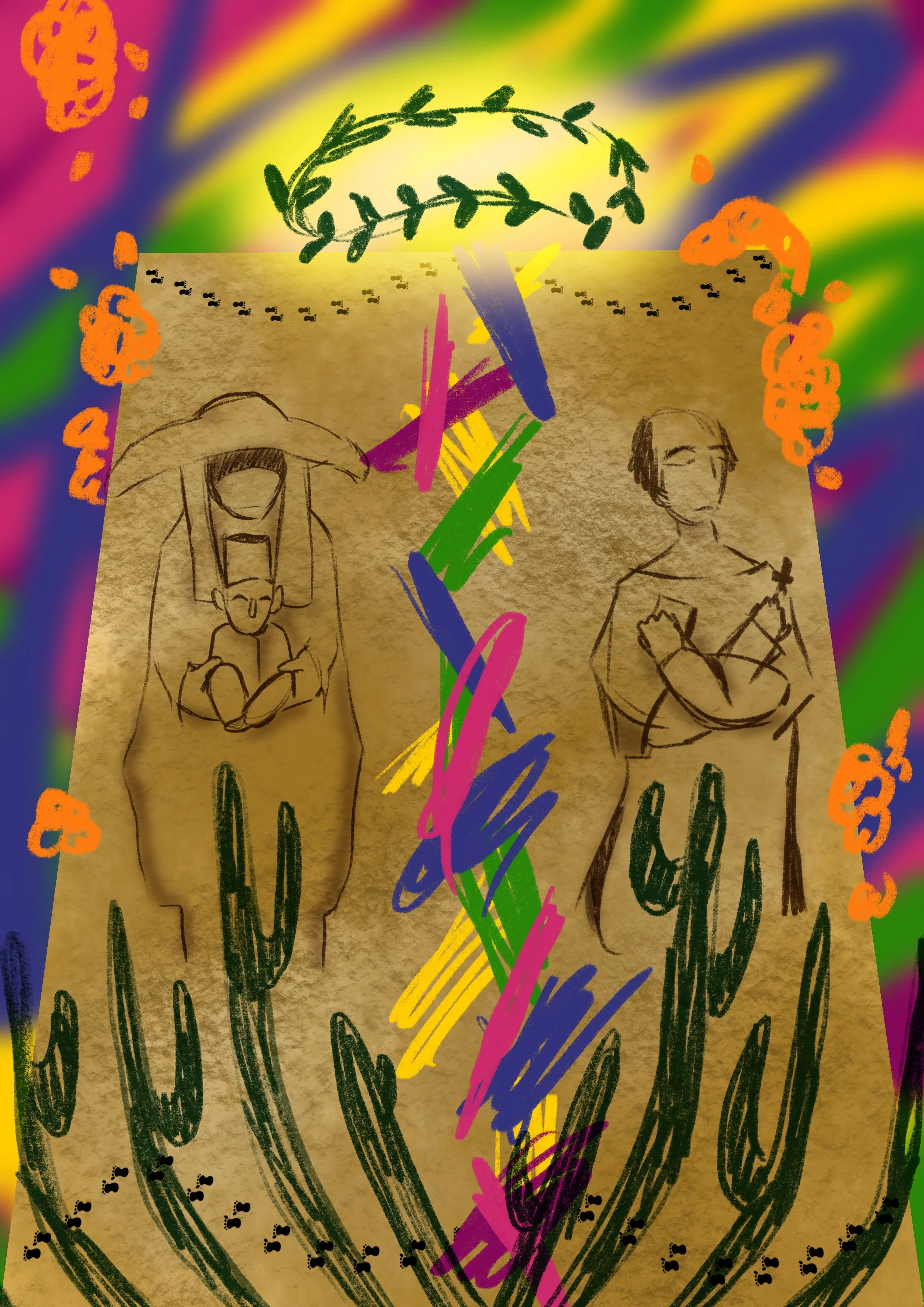
This course surveys the art and culture of indigenous, colonial, and modern Latin America. We also address issues critical to discussions of the arts of Latin America, such as preconceptions about the political and religious roles in art, appropriation and adaptation of western cultures, the incorporation and relationship with European/American art theory and methods, and the reevaluation of Latin American art today. This course makes use of Philadelphia’s collections in each third of the timeline offering students to work directly with objects at the Penn Museum of Archaeology and Anthropology, Saint Joseph's University's collection of colonial Spanish American art, and the Philadelphia Art Museum’s colonial and modern collection.
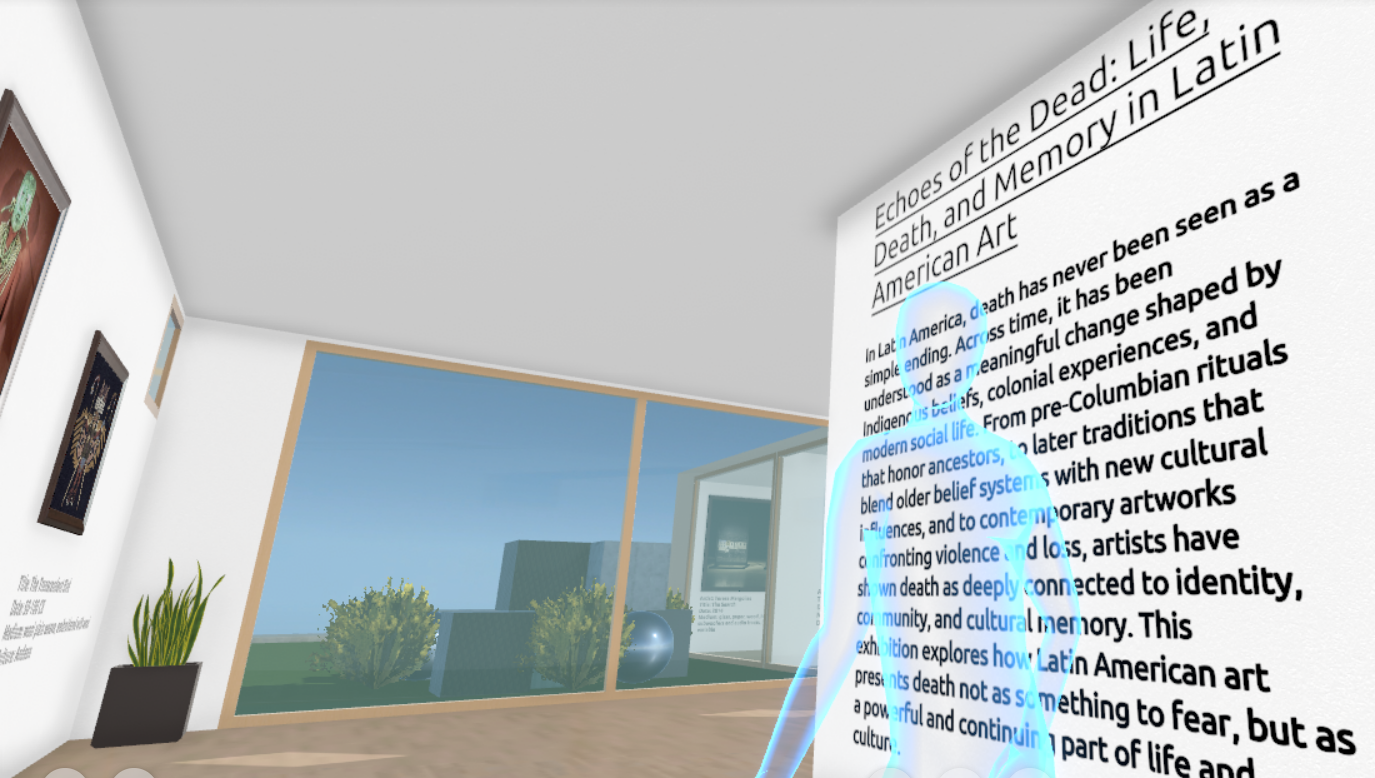
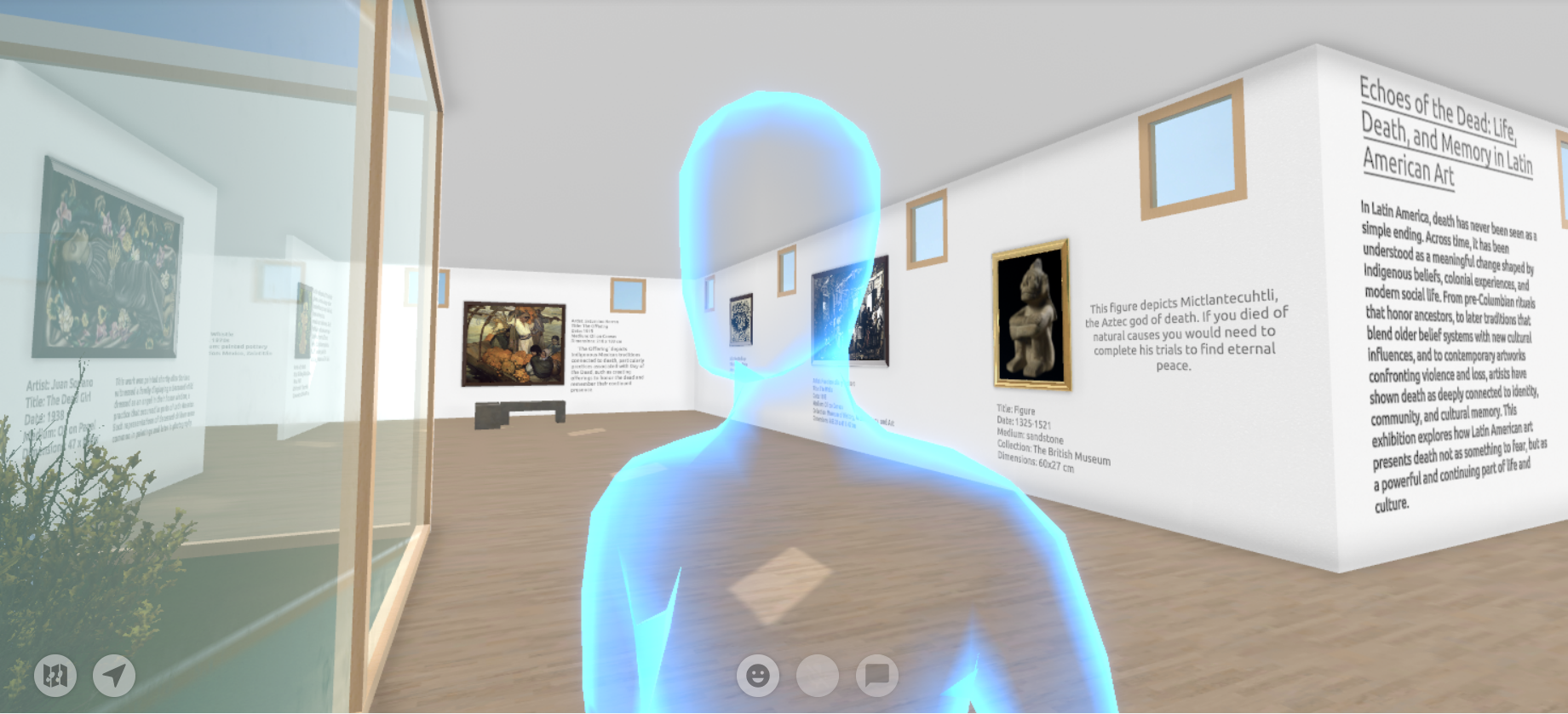
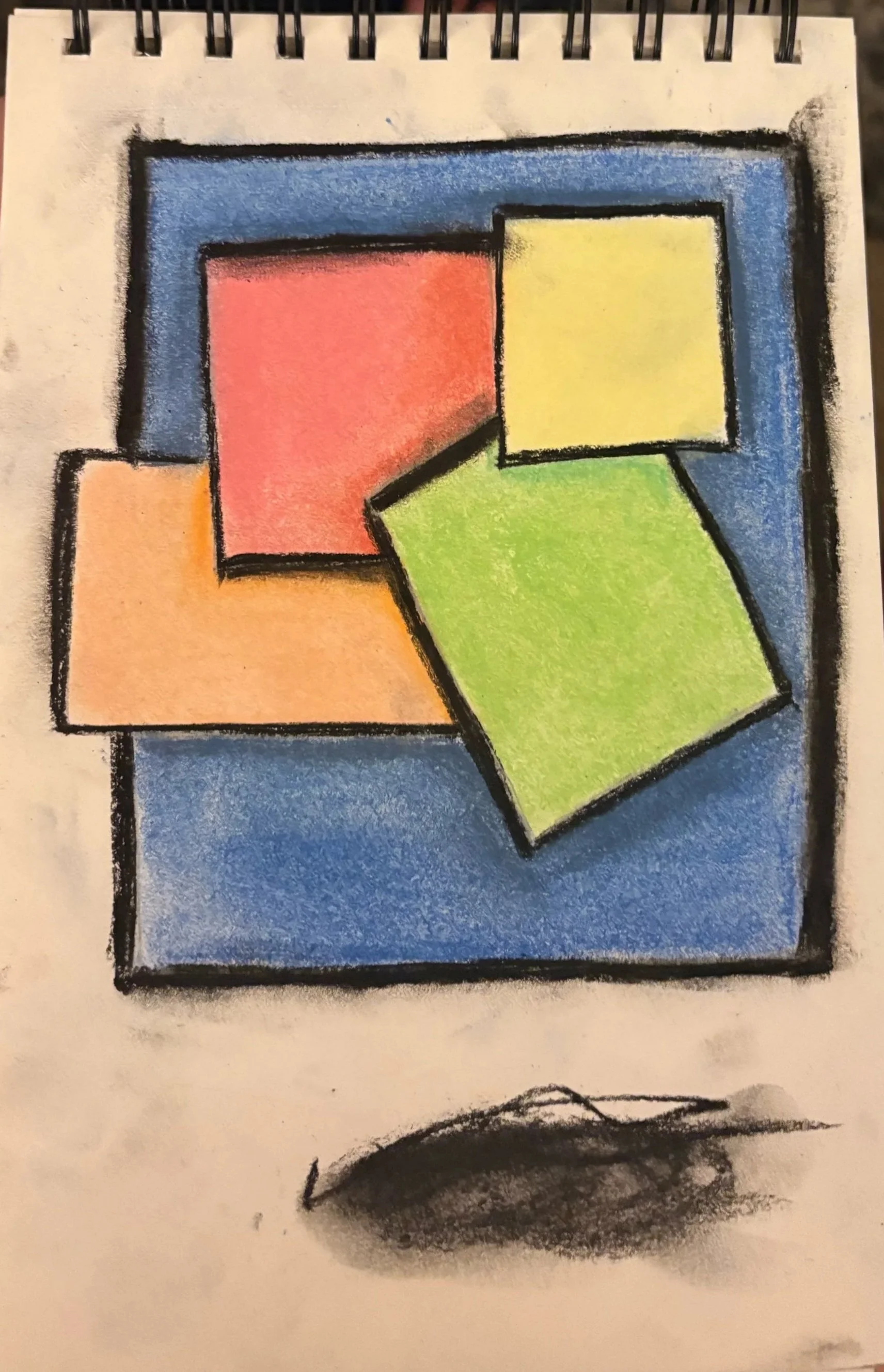
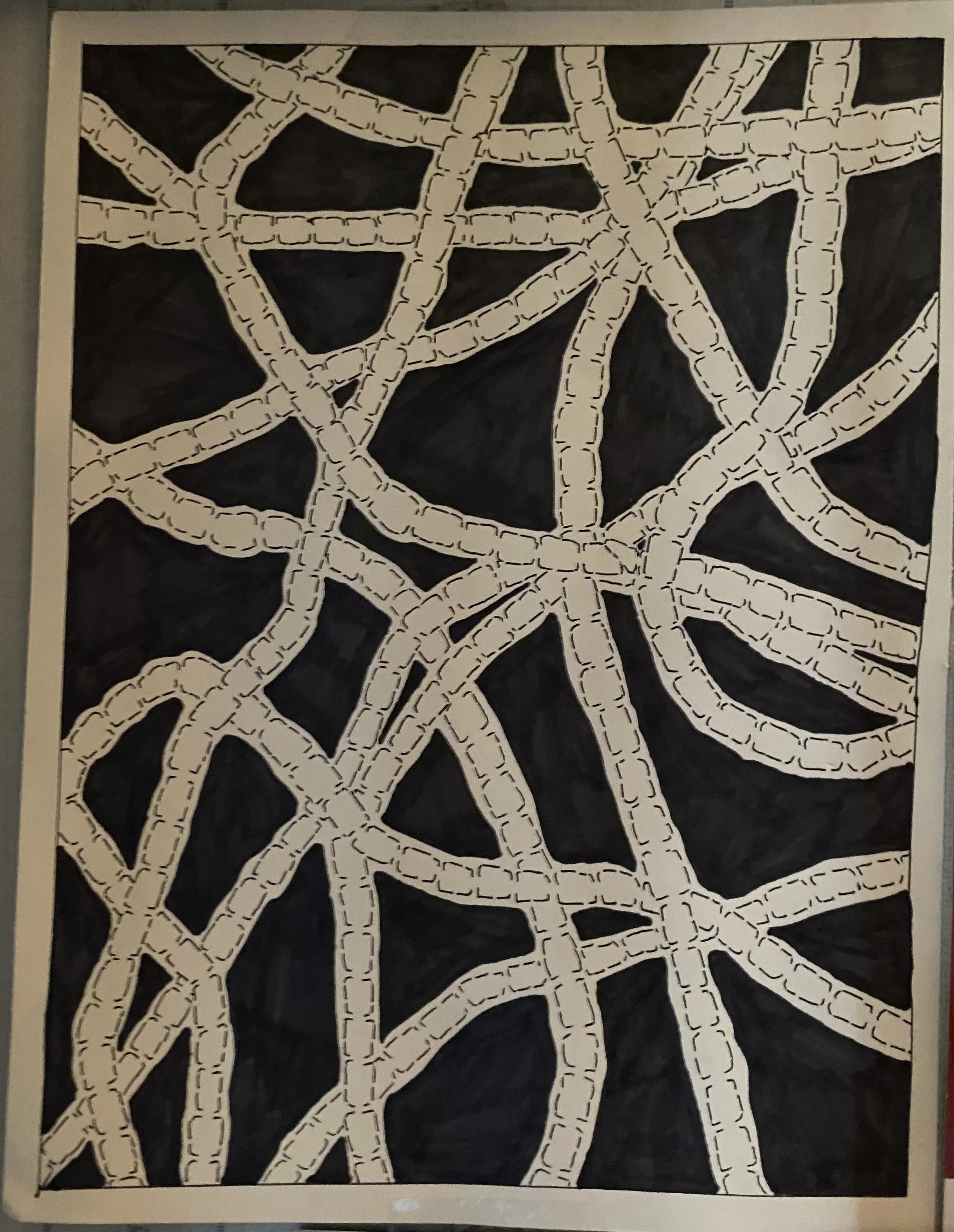
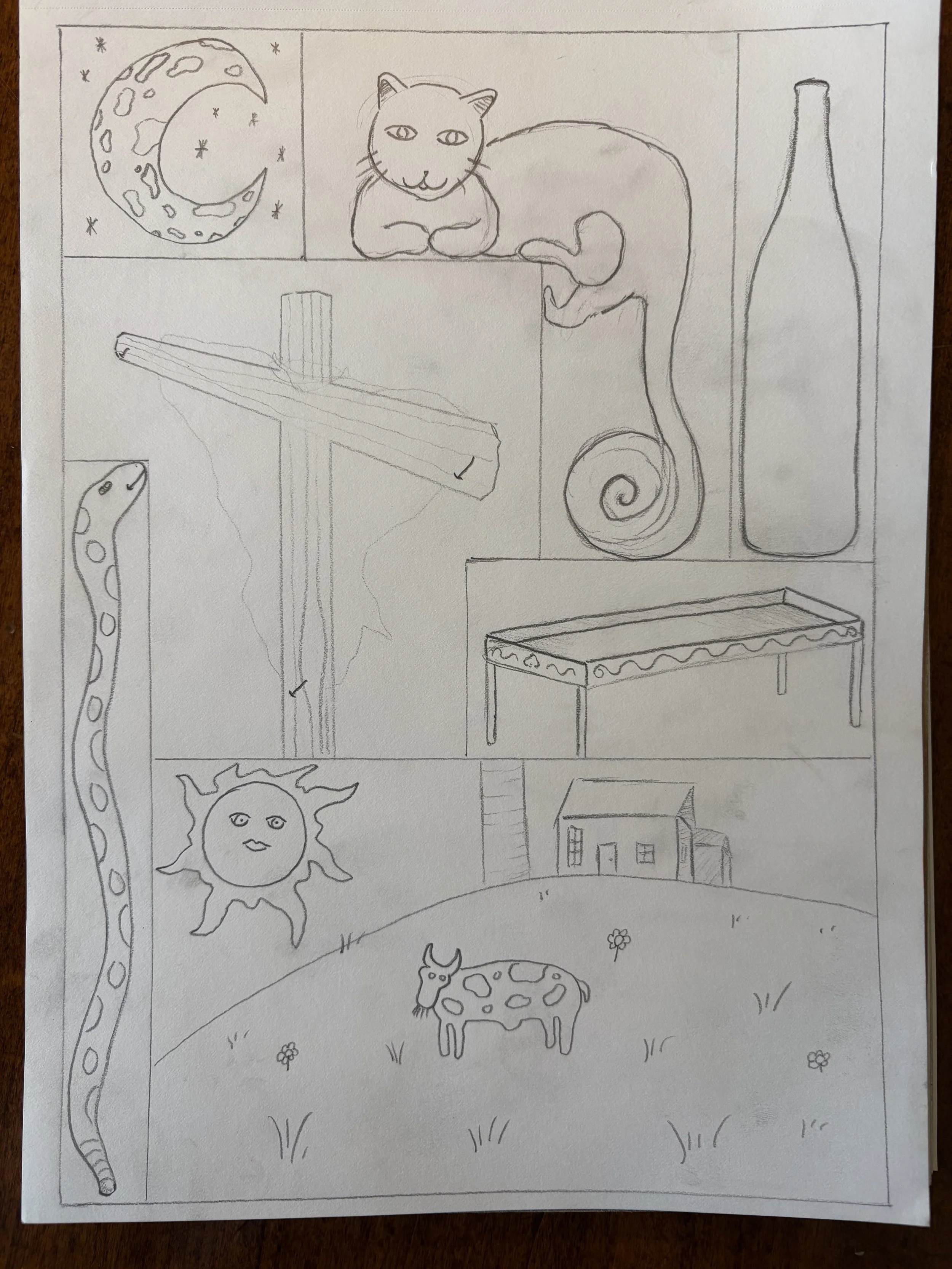
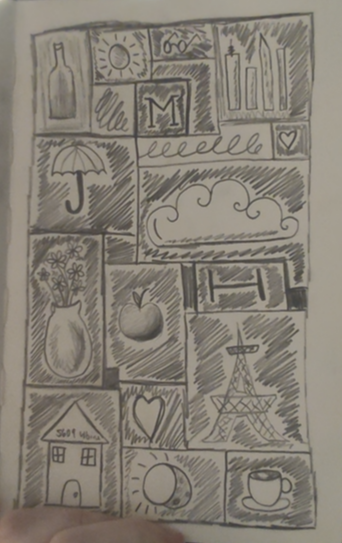
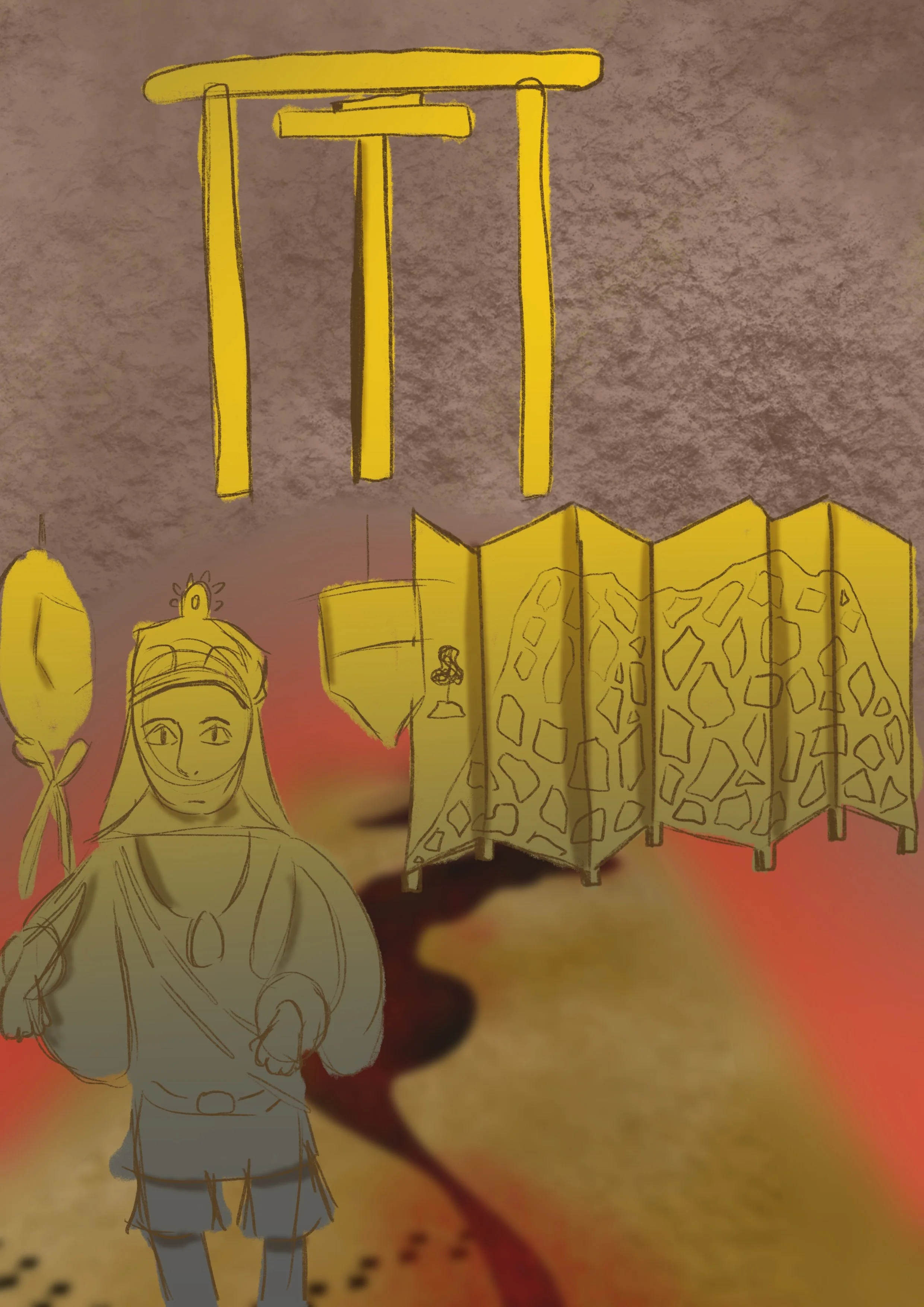
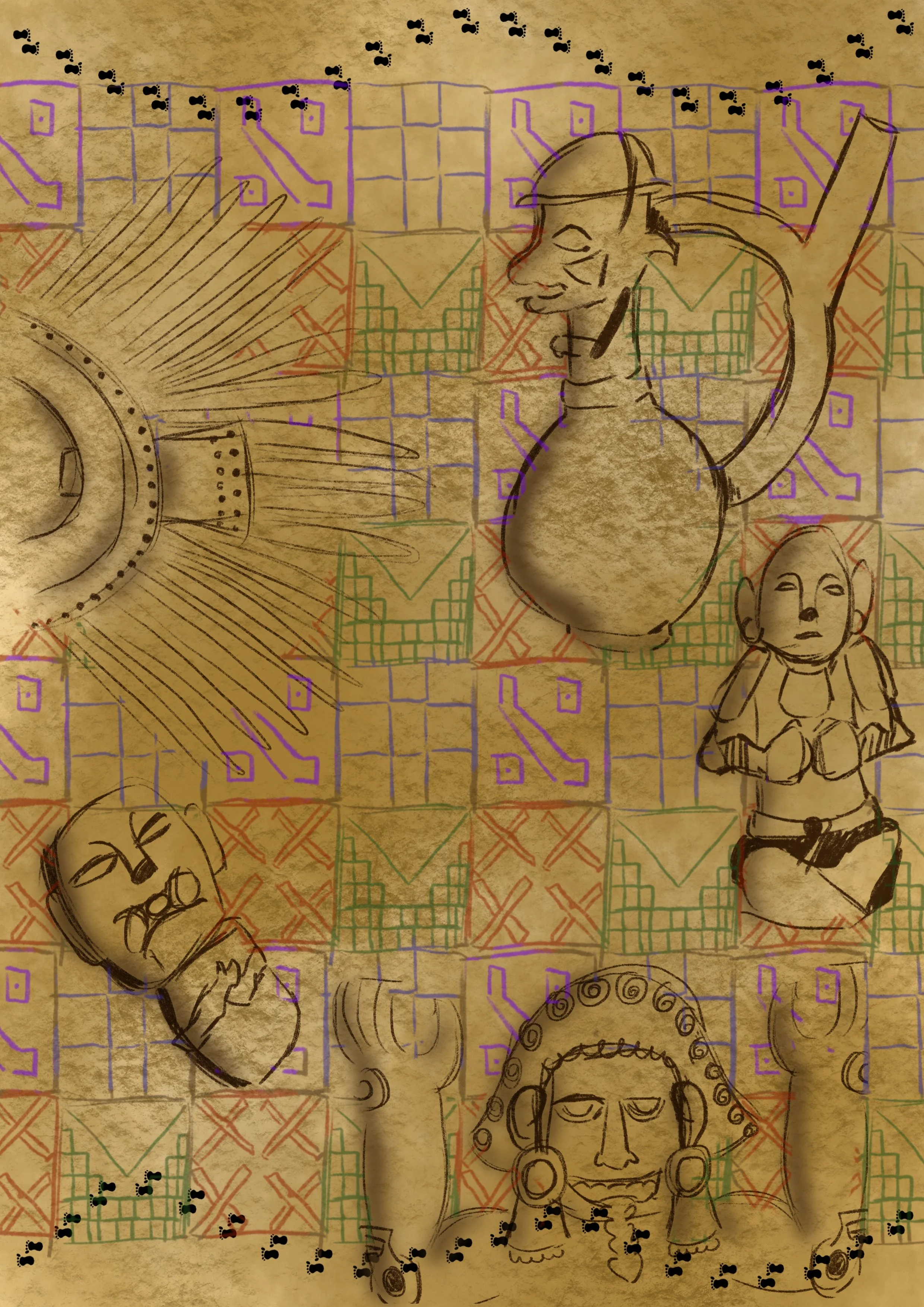
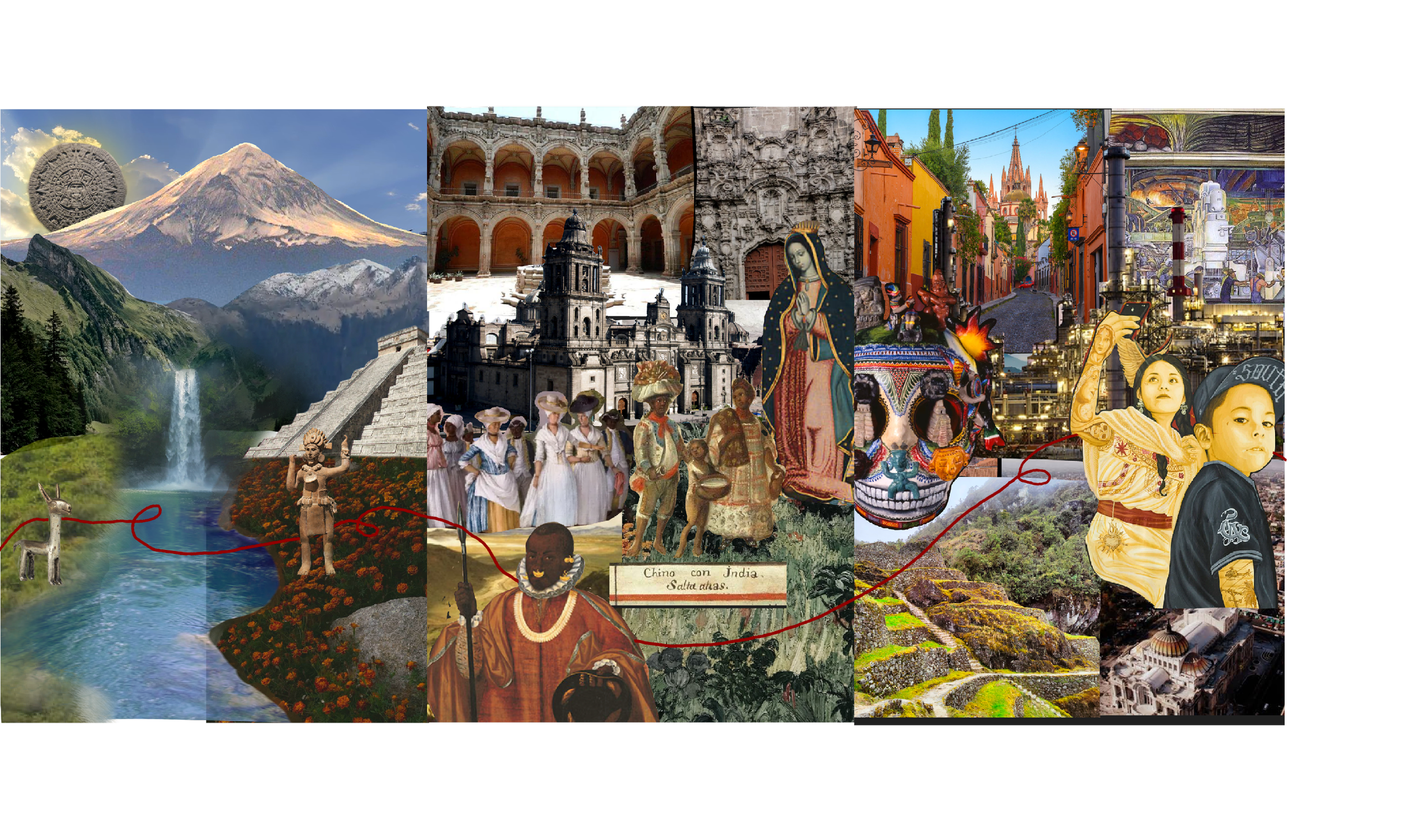
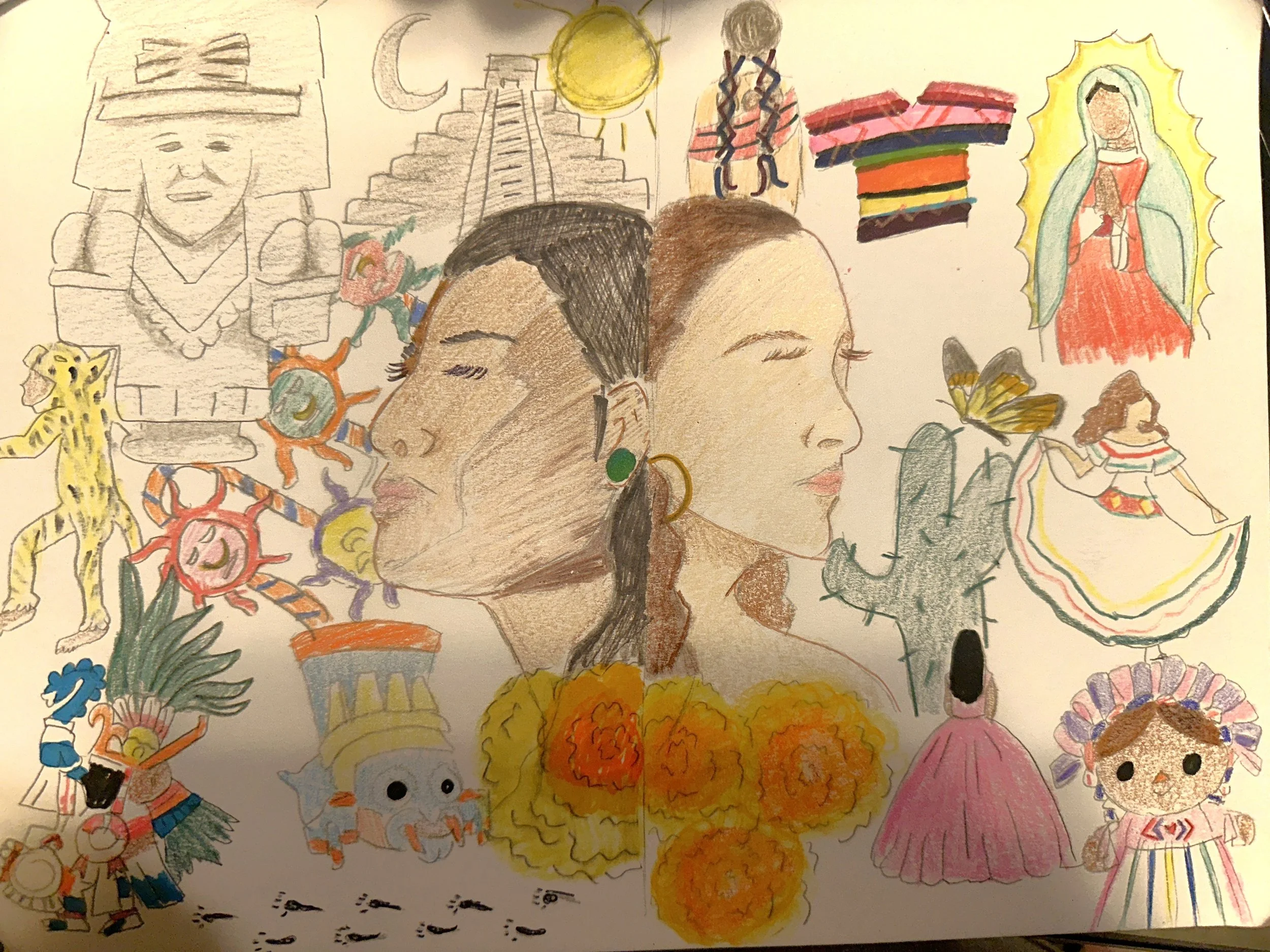
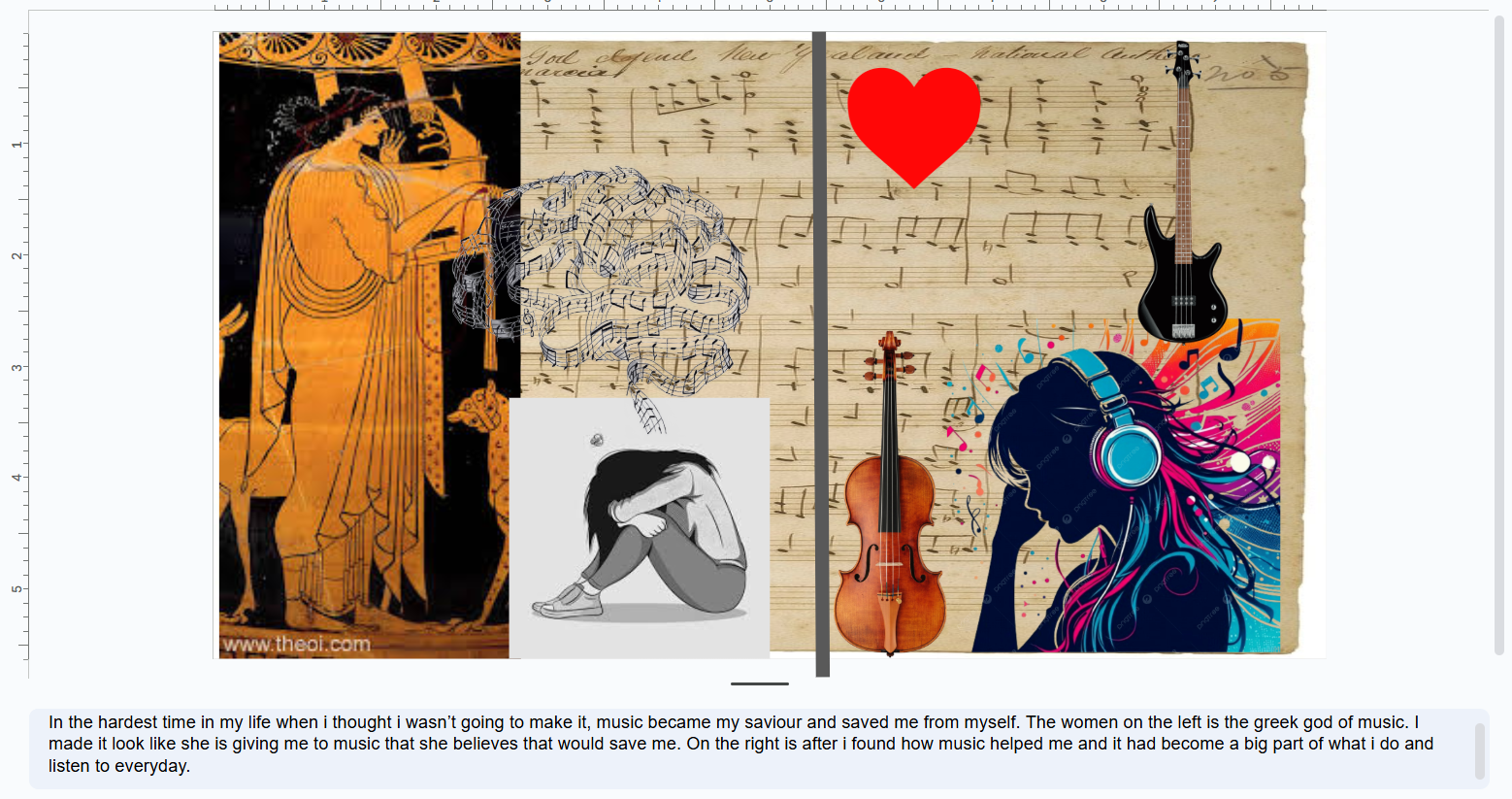
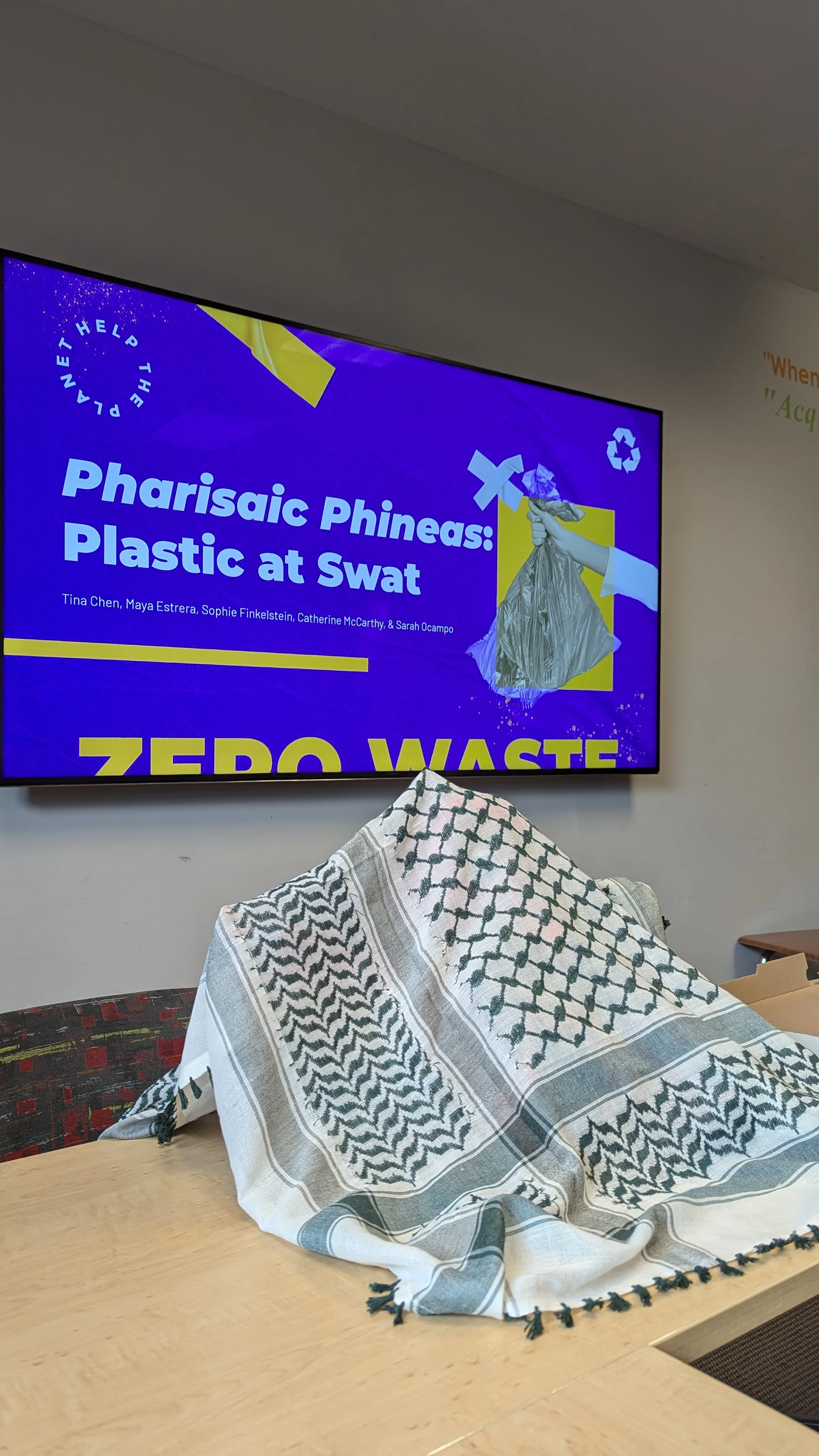
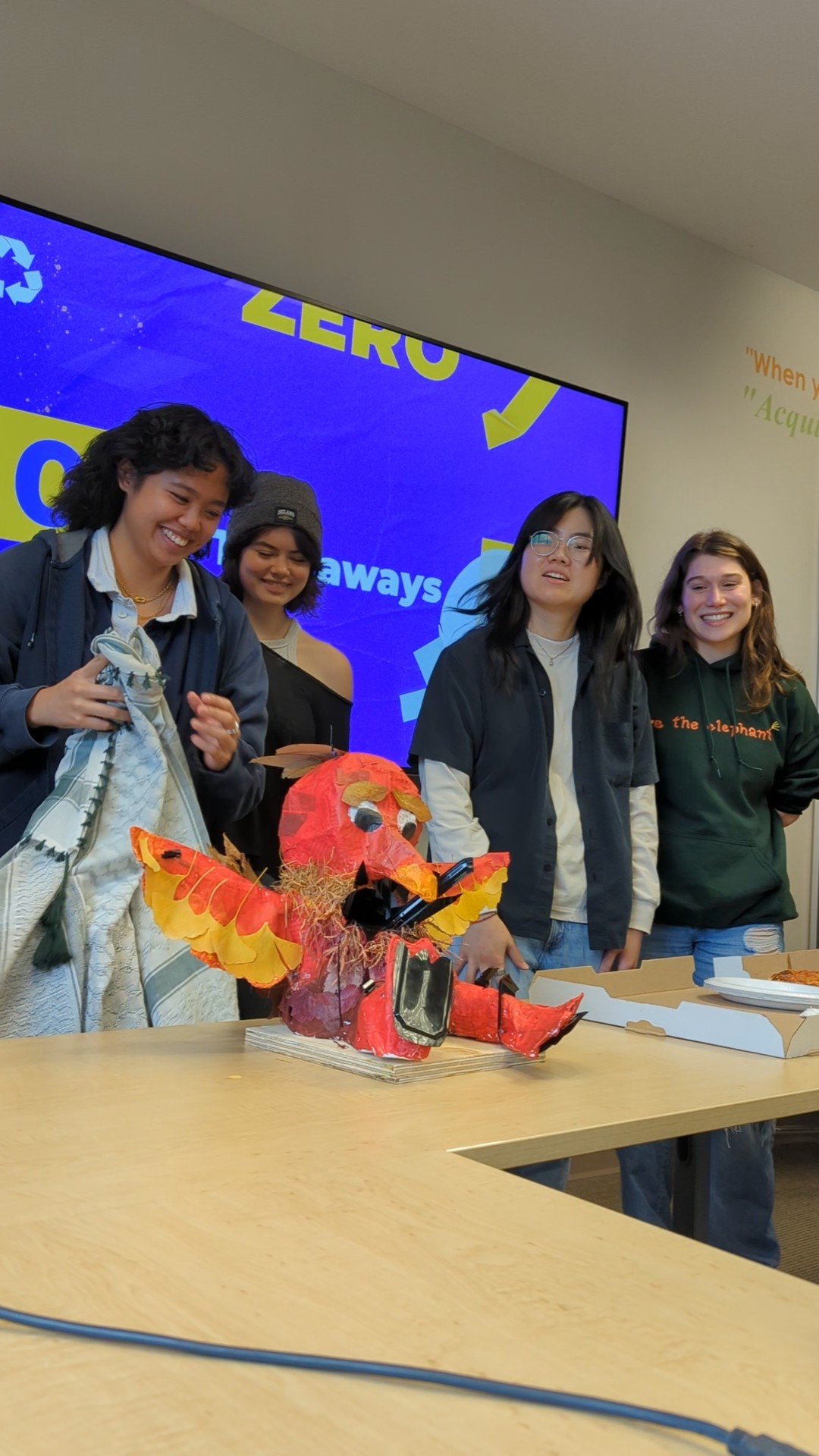
Below is a selection of student work, highlighting the course’s use of experiential learning through creative assignments.