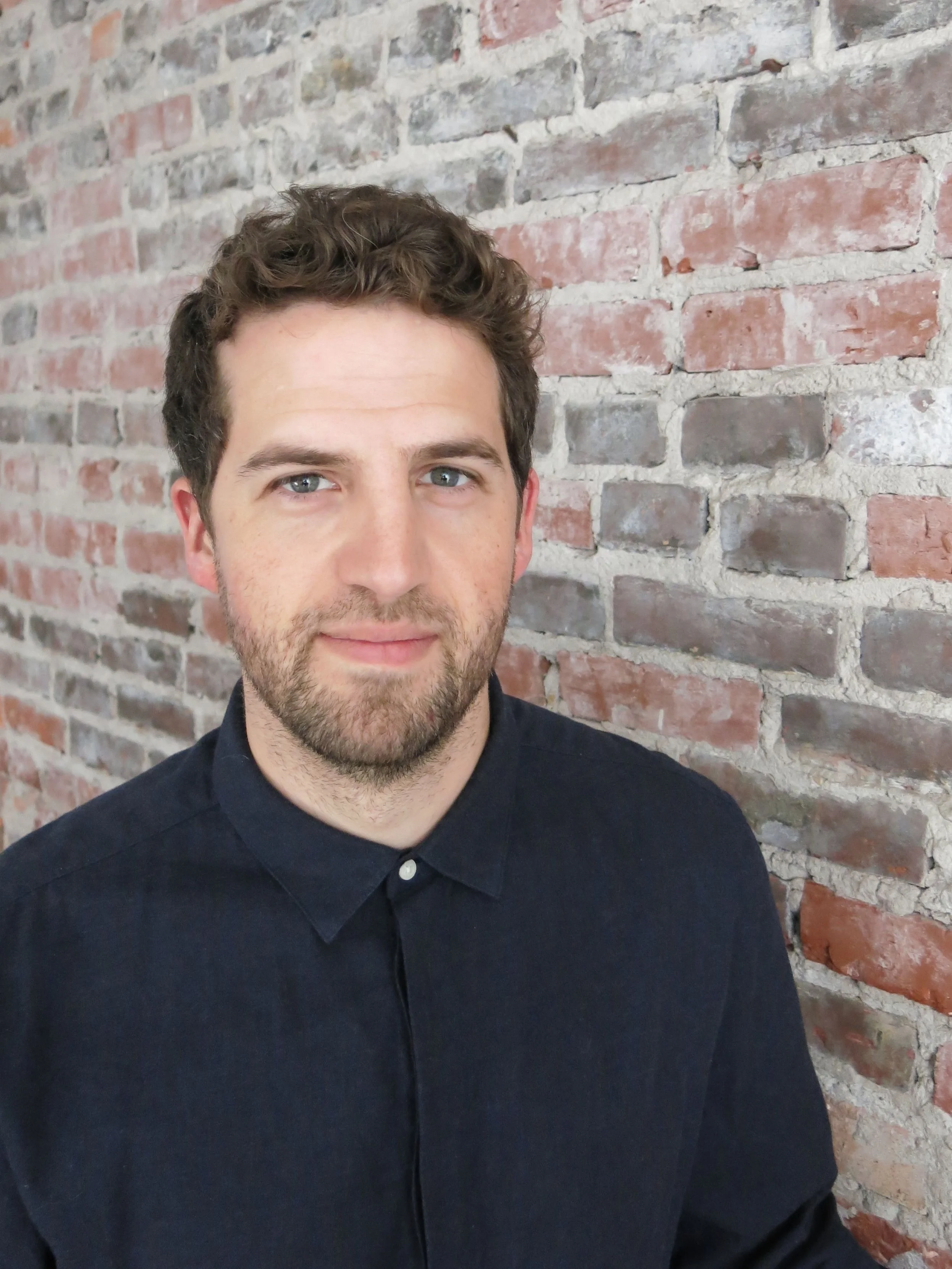
William Schwaller is an art historian, curator, and museum professional based in Philadelphia. He is currently an adjunct professor at Saint Joseph’s University and Arcadia University.
Schwaller specializes in modern and contemporary art of the Americas with a particular focus on transnational artistic discourses about nature, ecology, and technology. His current research focuses on the Argentine Centro de Arte y Comunicación (CAYC) as a catalyst for and promoter of experimental and conceptual artistic practices across the Americas from the 1960s to the 1980s. His work focuses on the early emergence of arte ecológico (environmental art) and its unique exploration of national and Latin American identity, political ecology, and conceptual and post-studio artistic practices that emphasized interdisciplinary experimentation with science and technology.
He is a founding member of the curatorial collective Big Ramp in Philadelphia and has organized several group exhibitions, including Aliento Corporal/Corporeal Breath and We are all compost. Run by art historians, painters, and sculptors, Big Ramp champions genre- and medium-defying interdisciplinary artists.
His work has been published on Smarthistory.org and Oxford Art Online. He is a Fulbright scholar, and his research has been funded by the Terra Foundation for American Art, the Institute for Studies in Latin American Art, and the Getty Research Institute. He has worked previously at the Berman Museum of Art, the Philadelphia Museum of Art, the Samek Art Gallery at Bucknell University, the Minneapolis Institute of Art, the Massachusetts Museum of Contemporary Art, the Cedar Rapids Museum of Art. He has taught at Swarthmore College, Saint Joseph’s University, Drexel University, Arcadia University, and Temple University. He earned a BA with Honors from Grinnell College and a PhD from the Tyler School of Art, Temple University for his dissertation, “Translating Arte de Sistemas: The Centro de Arte y Comunicación in Buenos Aires and Abroad, 1969 – 1977.”
He is a member of the College Art Association, the American Alliance of Museums, the Association of Academic Museums and Galleries, the Association for Latin American Art, and the Latin American Studies Association.
He also cares for people (father of two), plants (no ledge is free of a houseplant), animals (Bear, a Newfie mix), yeasts (sourdough baker before the pandemic) and bacteria (he will try to ferment anything).